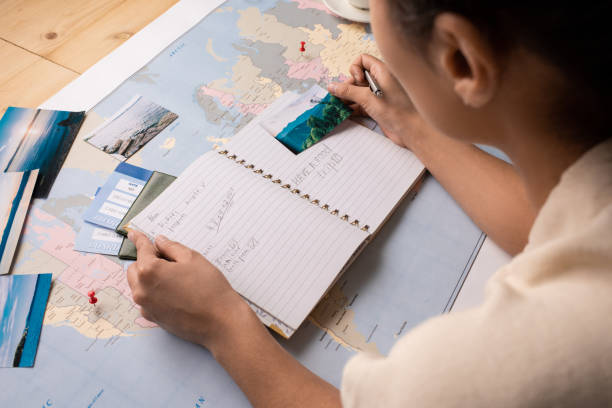
Planning a trip can be exciting, but it can also become confusing when there are too many details to manage. Choosing a destination is usually the easy part. After that come transportation, accommodation, activities, packing, budgeting and all those small things that suddenly seem important.
A good travel plan does not have to be perfect. In fact, trying to plan every single minute can make a holiday feel more like work. The better approach is to prepare for the important parts while leaving enough room for unexpected experiences.
Choose a Destination That Matches Your Plans
Every destination offers a different kind of experience.
Some travelers enjoy busy cities filled with restaurants, museums and shopping areas. Others prefer quiet beaches, nature, historical towns or mountain destinations. The right choice depends on what you want from the trip.
It is also important to consider the amount of time available. If you only have a few days, visiting one area properly may be more enjoyable than trying to cover several destinations.
Think about travel time too. A beautiful destination that takes most of the holiday to reach may not be practical for a short break.
Do Some Research Before Traveling
Basic research can prevent many unnecessary problems.
Before leaving, check the usual weather conditions, transportation options, local attractions and general costs. It is also useful to understand whether popular attractions require advance booking.
For general travel inspiration and destination-related ideas, TravelVorex.com can be explored as a broad travel resource.
The aim is not to research every possible detail. Focus on information that could genuinely affect your plans.
Knowing how to reach your accommodation from the airport, for example, can be much more useful than creating a huge list of facts about the destination.
Create a Simple Itinerary
An itinerary gives a trip some structure, but it should not become a strict timetable.
Choose the places you most want to visit and organize them in a sensible order. Try to group nearby attractions together so you are not wasting hours traveling back and forth.
Leave some open time between activities. Delays happen, meals take longer than expected and sometimes you simply want to sit somewhere and enjoy the surroundings.
A flexible itinerary is much easier to adjust when something unexpected happens.
Think About Transportation
Transportation can have a major effect on both your budget and your schedule.
Research how people normally move around your destination. Public transport may be convenient in larger cities, while other places may require different arrangements.
If you are traveling between multiple locations, compare journey times as well as prices. The cheapest option is not always the best choice if it adds several unnecessary hours to the journey.
It is also worth checking local ticketing systems and payment methods before arriving. Knowing how transportation works can make the first day much less stressful.
Pack Only What You Actually Need
Packing can become surprisingly difficult because it is easy to imagine needing everything.
Instead, consider the weather, trip length and activities you have planned. Choose clothing and personal items based on those needs.
Avoid packing for every possible situation. Heavy luggage can make airports, train stations and hotel changes more tiring than they need to be.
Important documents and essential personal items should obviously come first. Everything else can be kept simple.
Keep Important Travel Details Organized
Travel documents should be easy to access when you need them.
Keep booking confirmations, tickets, accommodation information and important contact details somewhere secure. Having backup copies of essential information can also be useful.
Before leaving home, check your booking dates and personal details carefully. A small error is much easier to fix before the journey than after you have already arrived.
Good organization may sound boring, but it can save a lot of stress later.
Learn a Little About Local Culture
You do not need to become an expert on the destination before visiting.
However, learning some basic information about local customs can make your experience more comfortable. Different places may have different expectations around greetings, clothing, photography, dining and public behaviour.
Learning a few common words or phrases can also be helpful. Even a simple greeting or thank-you can make everyday interactions feel more natural.
Travelers who enjoy exploring destination information can also look at broader resources such as TechNovaGrid.com for general travel and information-related topics.
The main idea is simple: be curious, respectful and willing to learn.
Set a Realistic Budget
Travel expenses can go beyond flights and accommodation.
Food, local transportation, attraction tickets, shopping and unexpected expenses can all add up. Creating a rough daily budget can help you understand how much flexibility you have.
It is better to leave some extra room instead of planning every amount exactly. You might find an activity you want to try or discover a restaurant that costs more than expected.
A flexible budget allows you to enjoy those moments without turning every purchase into a calculation.
Do Not Overload Your Schedule
Trying to visit every famous attraction can make a trip exhausting.
Most destinations have more places to see than you can reasonably fit into one visit. Choose the attractions that genuinely interest you and give yourself enough time to enjoy them.
You do not need to collect locations like achievements in a video game.
Sometimes spending an afternoon exploring one neighbourhood is more enjoyable than rushing between six tourist attractions.
Stay Aware While Traveling
Being aware of your surroundings is an important part of any journey.
Keep important belongings secure, especially in crowded places, and pay attention when using public transportation. It is also sensible to understand basic local rules and follow official guidance.
If you are traveling with other people, make sure everyone knows the general plan and has a way to contact one another.
Preparation should not make travel stressful. It should simply reduce avoidable problems.
Leave Room for Unexpected Experiences
Some of the best travel memories are not part of the original itinerary.
You might discover a small café, come across a local market or find an interesting street while walking around. These unexpected moments can become more memorable than the attractions you carefully planned.
Leaving some free time makes these experiences possible.
A good travel plan should give you direction without taking away the freedom to explore.
Enjoy the Destination Instead of Rushing Through It
Travel is not just about taking photographs or checking places off a list.
Take some time to actually experience the destination. Try local food, notice the architecture, walk through different areas and simply enjoy the atmosphere.
There is no need to make every moment productive.
Sometimes sitting in a quiet place and watching everyday life around you can become one of the most enjoyable parts of the trip.
Final Thoughts
Travel planning works best when it provides structure without removing flexibility.
Choosing a destination carefully, researching important details, planning transportation, packing sensibly and keeping a realistic budget can make a journey much smoother. At the same time, leaving room for spontaneous experiences can make the trip more enjoyable.
Not everything will go according to plan. A delayed journey, unexpected weather or changed schedule may happen. Instead of letting those moments ruin the experience, a little flexibility can help you adapt.
After all, travel is not supposed to be perfectly predictable. Some of the unexpected moments are often the ones worth remembering.
Leave a Reply